
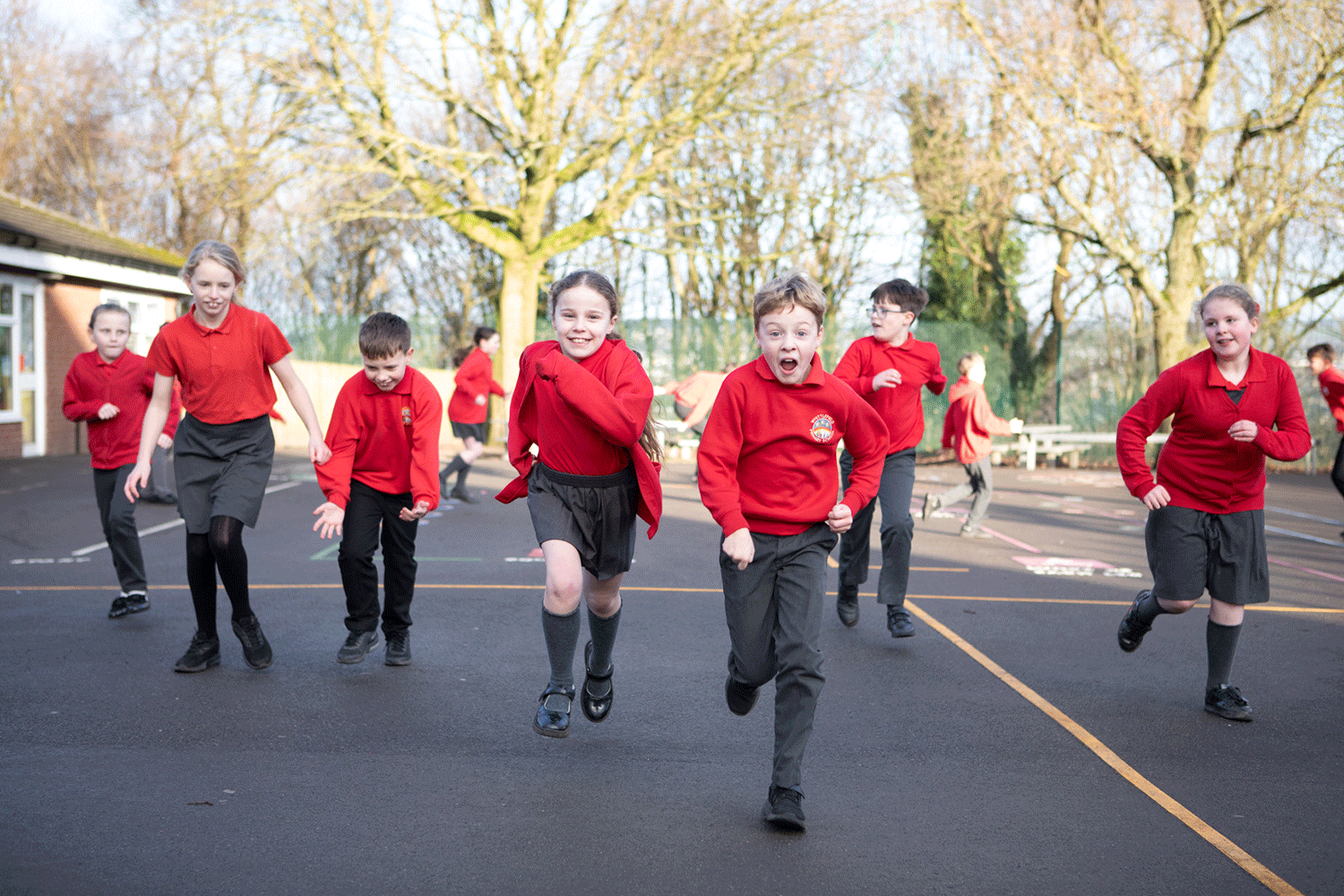
Across schools, small changes in everyday practice are helping children move more.
Published research from Edge Hill University as part of the Ready Set Move Programme shows that children are becoming more active over time, with the greatest increases happening during the school day.
The study followed 250 children across Year 4 and 5, and gives a clear picture of when and how children move more, and why school-based approaches like Ready Set Move matter so much. Read more about the details of the study.
Some of the key findings of the research are explored below.
Children are moving more during the school day
One of the most positive findings from the research is that children’s physical activity increased as the school year progressed.
What’s especially encouraging is that:
• Children moved more over the course of the research
• The biggest increases happened on school days
• Weekend activity stayed fairly steady
This tells us something important: the school day is a powerful opportunity to support children to be active.
Ready Set Move is designed around this idea. By embedding movement into lessons, routines and breaktimes, schools are creating more opportunities for children to move naturally throughout the day, not just during PE.
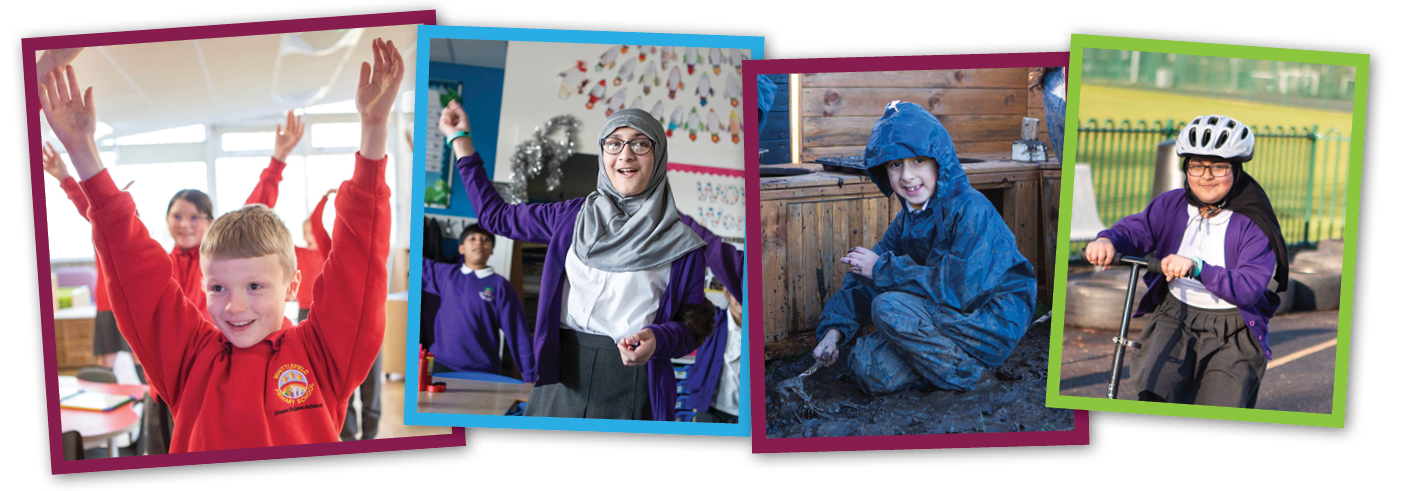
* The schools involved in data collection have all participated in the Ready Set Move Middle Leaders Programme. They have introduced changes such as adopting more active uniforms, reimagining spaces to encourage active play, and incorporating movement into classrooms. As the Middle Leaders worked to embed and sustain these changes between Autumn 2023 and Summer 2024, it’s encouraging to see signs that these efforts may have contributed to an increase in children’s activity levels.*
The children who needed it most benefited the most
Another finding is that children who were least active at the start of the year showed the biggest improvements. This means:
• Ready Set Move approaches are reaching children who may otherwise miss out
• Activity isn’t just increasing for already-active children
• Schools are helping to reduce gaps
This is a real strength of whole-school approaches. By building movement into everyday school life, through strategies such as active learning in curriculum lessons schools are creating opportunities that work for all children, whatever their starting point.
More movement across the day really adds up
The research shows that children didn’t become more active because activities became harder or more intense. Instead, they moved more because movement was happening more often across the day.
This strongly aligns with Ready Set Move’s core message to schools: ‘move more and sit less’ – reducing sedentary time across the whole school day through adding in, not adding on, whilst making movement purposeful to learning.
Small changes like active learning, movement breaks and transitions, more active breaktimes and better use of space, all add up to improvements in children’s activity levels.
It strongly supports that embedding movement into what already happens makes a real difference.
Why this is such positive news
Tackling physical inactivity in children is a complex challenge and can’t be solved by a single programme or intervention alone. Many factors influence how active children are, but this research shows that the school day plays a critical role.
This is encouraging, because it reinforces how:
• Schools can make a difference every day, through small, consistent changes
• Staff don’t need to do this alone – working collaboratively and aligning physical activity to school priorities creates routines, shifts mindsets and ultimately, culture starts to change
• Supporting schools through programmes like Ready Set Move is a powerful way to create lasting change
This published research adds strong evidence to what schools are already telling us:
Ready Set Move is helping children move more, feel better and engage more in their learning.
 Read the full published Ready Set Move research paper here.
Find out more about the Ready Set Move programme and how it has been enabling school leaders to think differently, build their skills and shift school culture.