
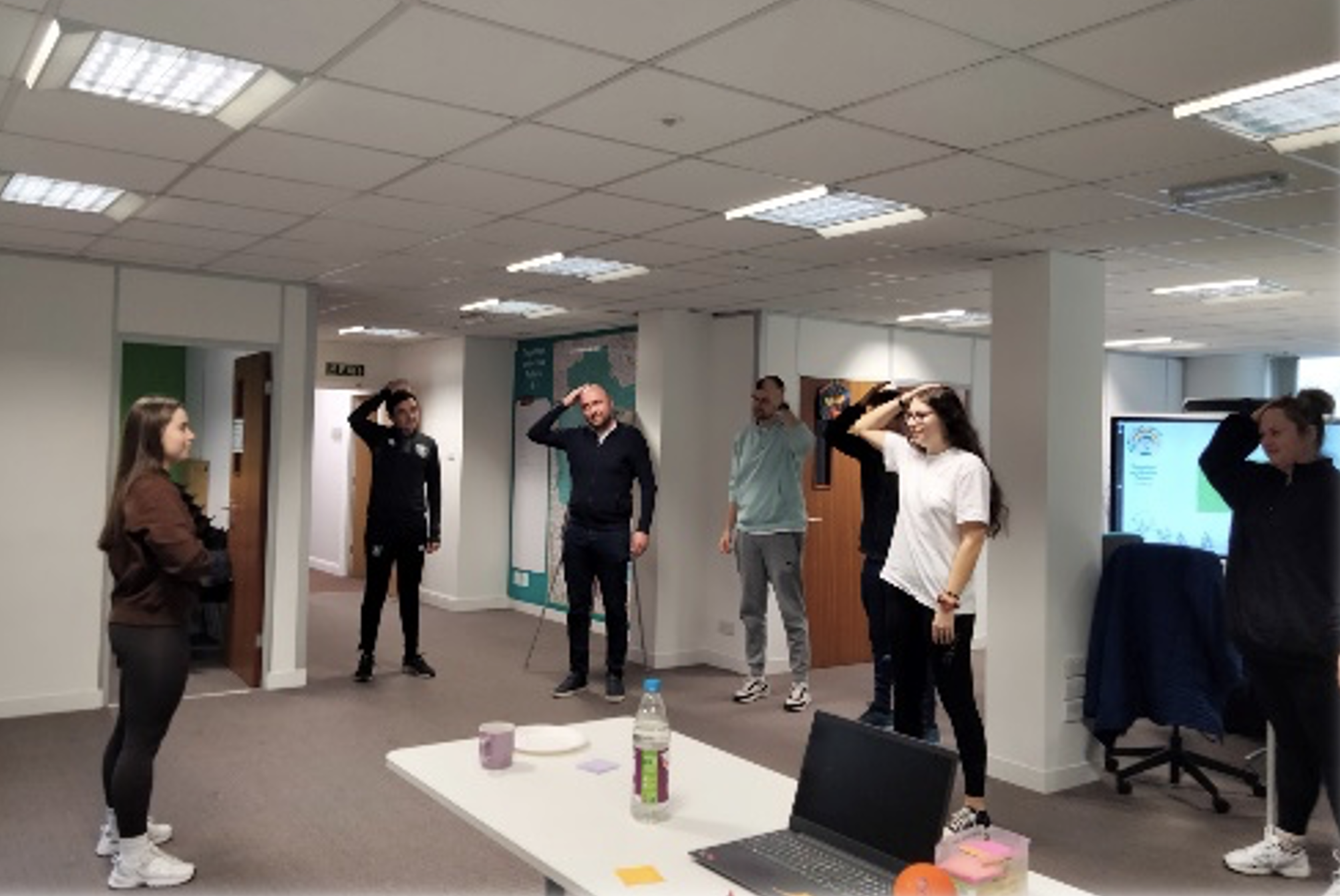
Growing leadership, shifting culture
When the first version of the Middle Leaders Programme began in Rossendale, the idea was simple but powerful – to grow the next generation of headteachers who understood the value of being an active school. By equipping middle leaders with the skills and confidence to lead whole-school change, we hoped to create a ripple effect that would spread through the wider school system.
 Learning from what came before
The early pilot, run through Ready Set Rossendale, engaged five schools and was led by a headteacher passionate about movement and wellbeing. While the intent was sound, the programme struggled to gain momentum. Capacity was stretched, planning was reactive, and it was difficult for middle leaders to find the time and clarity they needed.
Rather than viewing this as a setback, it became a valuable learning moment, a chance to pause, reflect, and ask what needs to be different?
Listening, reflecting and learning
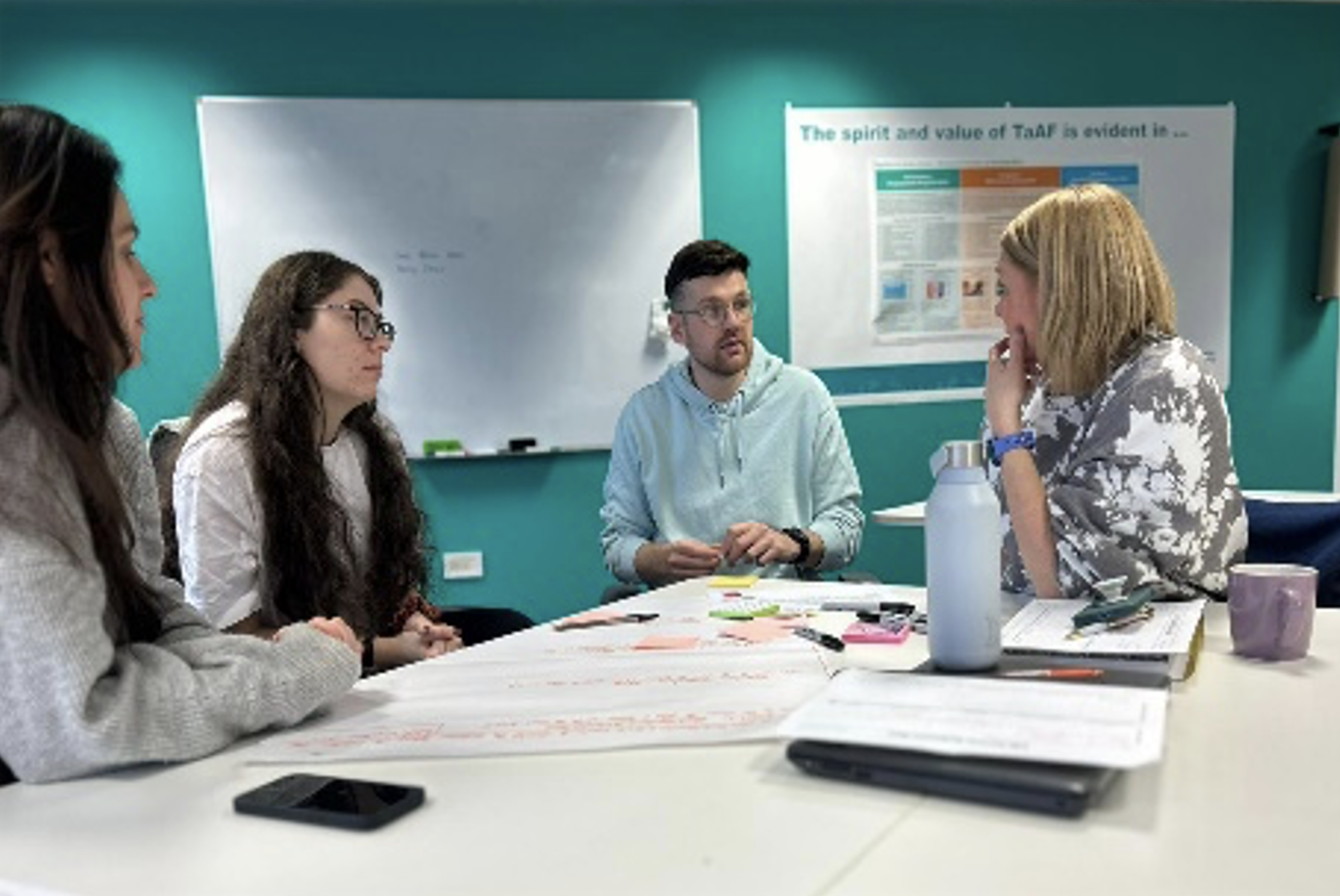
Through honest and open conversations with middle leaders and head teachers we began to understand what they liked about the existing programme but what needed to be different.
- Schools identified a need for a well communicated calendar of diary dates so they could plan for staff to be out of class.
- Schools liked the buzz of being part of a network and wanted to retain this feeling.
- Some middle leaders felt they didn’t get to grips with the meaning of Whole School Approaches, the CAS framework or had a clear understanding of what was expected of them.
Redesigning the programme: from delivery to development
- We introduced a shared-role model, seconding an experienced School Games Organiser to become our dedicated Active Schools Lead. With time, space, and support, they were able to fully re-imagine the Middle Leaders Programme.
- A strengths-based approach underpinned the redesign. The Active Schools Lead drew on their Achiever strength, channelling their drive for completion into building structure, clarity, and trust – while recognising that meaningful change also required people with strong influencing and relationship-building skills.
- Partnerships played a key role too. Working closely with an influential and well-connected headteacher helped to shape the programme’s new direction and secure wider buy-in across schools.
Key moments of change
- Co-designing the new programme with feedback from schools and external perspectives.
- Framing the offer around personal leadership development – investing in people, not just delivery.
- Resource to free up and protect time and provide middle leaders with dedicated dates and time out of class.
- Publishing a clear, structured calendar with time protected for learning and reflection
 .
. - Formalising the commitment and expectations of the Middle Leaders.
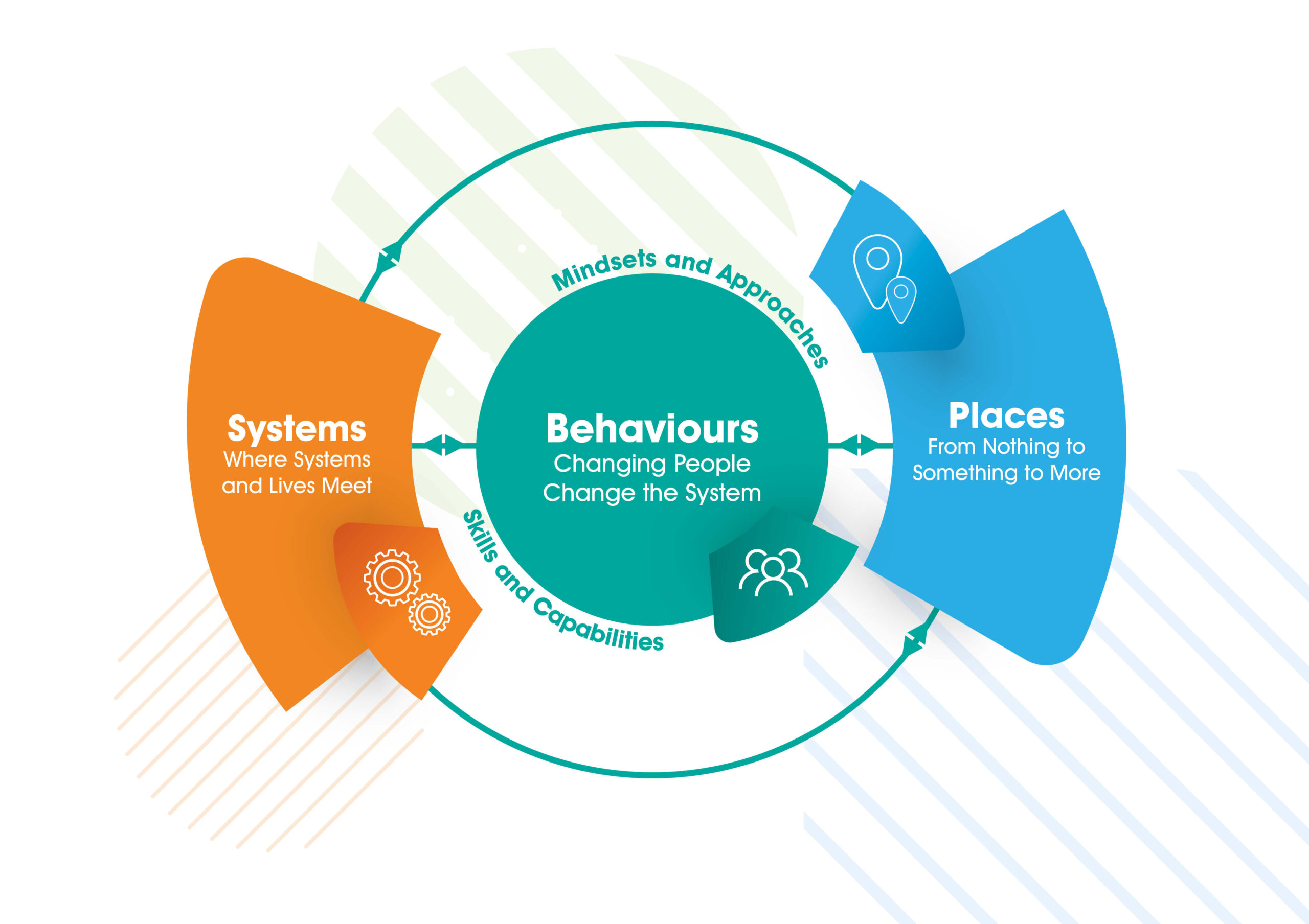
Changing people to change the system
The redesign of the Middle Leaders Programme shows how real change begins with people – giving them the time, confidence and support to grow. By investing in the personal and professional development of middle leaders, we’re not just creating more active schools, we’re nurturing the kind of leadership that makes lasting, system-wide change possible.